Silicone Pigments: Industrial Guide to Color Masterbatch, Safety, and High-Performance Applications
Discover how silicone pigments enhance product performance, ensure compliance, and enable scalable color consistency across HTV and LSR manufacturing. A complete B2B guide for engineers and buyers.
Why Silicone Pigments Matter in Modern Manufacturing
In today’s competitive silicone industry, color is no longer just an aesthetic feature—it is a strategic differentiator. High-performance silicone pigments enable manufacturers to achieve:
- Consistent branding across global production batches
- Compliance with FDA, LFGB, and medical standards
- Improved product durability under extreme conditions
- Faster production cycles through optimized dispersion
For B2B buyers and engineers, selecting the right pigment system directly impacts cost efficiency, product quality, and regulatory approval timelines.
What Are Silicone Pigments?
Silicone pigments are specialized colorants engineered for compatibility with silicone rubber systems such as HTV (High Temperature Vulcanized) and LSR (Liquid Silicone Rubber).
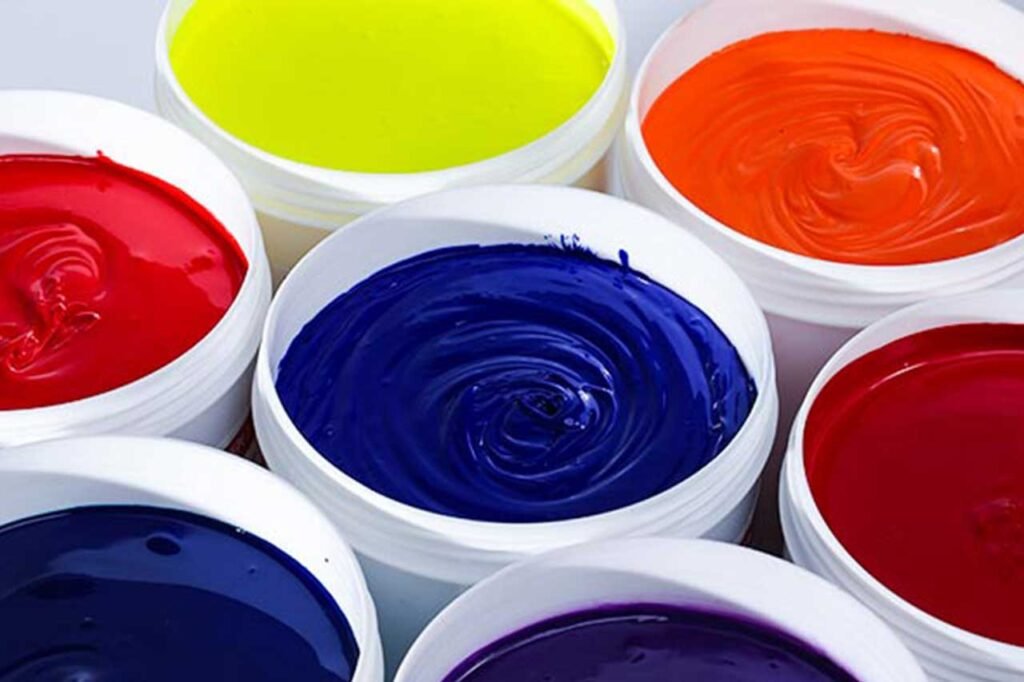
Unlike conventional pigments, they are designed to:
- Withstand curing temperatures above 180°C
- Maintain long-term color stability
- Provide excellent dispersion within silicone matrices
- Avoid migration or blooming
Available Forms
- Color masterbatch (most stable for HTV)
- Liquid pigments (ideal for LSR injection)
- Paste pigments (flexible for custom mixing)
Key Performance Advantages
- High Heat Stability: Our pigments are tested to withstand temperatures up to 250°C (482°F) without fading or degrading the silicone’s physical properties.
- Excellent Dispersion: Prevents “specking” or uneven color, ensuring a professional finish in high-consistency rubber (HCR) and liquid silicone rubber (LSR).
- UV & Weather Resistance: Critical for outdoor applications like automotive seals and architectural gaskets.
Types of Silicone Pigments (Performance Comparison)
| Type | Advantages | Limitations | Best Use Case |
|---|---|---|---|
| Organic Pigments | Bright colors, wide spectrum | Lower heat resistance | Consumer products |
| Inorganic Pigments | Heat & UV resistant | Limited color range | Automotive, industrial |
| Special Effect Pigments | Metallic, pearlescent finishes | Higher cost | Premium branding |
Technical Comparison: Liquid Pigment vs. Masterbatch
| Feature | Silicone Masterbatch | Liquid Pigment Paste |
|---|---|---|
| Best For | HCR / Solid Silicone | LSR / Injection Molding |
| Handling | Easy, no mess | Requires precise pumping |
| Color Consistency | Very High | High (if automated) |
Application Scenarios (Where Silicone Pigments Create Value)
1. Medical & Food-Grade Silicone
- Baby nipples, medical tubing, wearable healthcare devices
- Requires FDA / ISO 10993 compliance
2. Automotive & Electronics
- Seals, gaskets, cable insulation
- Requires thermal stability and chemical resistance
3. Consumer & Custom Silicone Products
- Phone cases, kitchenware, pet products
- Requires color consistency and aesthetic appeal
How to Choose the Right Silicone Pigment (Buyer’s Checklist)
Professional procurement teams evaluate silicone pigments based on the following framework:
√ Material Compatibility
- HTV → high-temperature stable masterbatch
- LSR → low-viscosity liquid pigment
√ Regulatory Compliance
- FDA / LFGB (food contact)
- RoHS / REACH (environmental compliance)
√ Processing Efficiency
- Automated dosing compatibility
- Fast dispersion, low scrap rate
√ Supply Chain Stability
- Batch consistency
- Scalable production capacity
How to Use Silicone Pigments (Best Practices)
- Add pigment during silicone mixing stage
- Recommended dosage: 1% – 5%
- Ensure uniform dispersion (use mixing equipment)
- Perform small batch validation before mass production
Pro Tip: Leading manufacturers adopt automated color dosing systems to reduce human error and improve ROI.
Safety Standards & Compliance
For industries like medical devices and food-contact kitchenware, the safety of silicone pigments is non-negotiable. At TANSilicone, our pigments meet:
- FDA 21 CFR 177.2600: Safe for food-contact surfaces.
- LFGB Compliance: Meeting strict European migration limits.
- ROHS & REACH: Free from heavy metals and restricted chemicals.
- Biocompatibility: Selected grades for medical-grade silicone components.
Common Manufacturing Challenges (And Solutions)
Uneven Color
→ Use pre-dispersed masterbatch instead of powder pigments
Color Fading
→ Switch to inorganic heat-resistant pigments
Low Production Efficiency
→ Optimize pigment dispersion and dosing accuracy
Silicone Pigments vs Regular Pigments
| Feature | Silicone Pigments | Standard Pigments |
|---|---|---|
| Heat Resistance | ★★★★★ | ★★ |
| Compatibility | Optimized | Limited |
| Durability | High | Medium |
Industry Trends: The Future of Silicone Color Technology
- Eco-friendly, heavy-metal-free pigments
- AI-based color matching systems
- Smart pigments (UV / temperature responsive)
- High-purity pigments for medical-grade silicone
Forward-looking manufacturers are investing in color innovation as a competitive moat.
Why Work With a Professional Silicone Pigment Supplier?
- Custom color matching (Pantone / RAL)
- Stable batch-to-batch consistency
- Technical support for HTV / LSR processes
- Global export compliance experience
FAQ
What is the best pigment for silicone rubber?
Inorganic pigments are best for high-temperature applications, while organic pigments are ideal for vibrant consumer products.
Are silicone pigments safe for food use?
Yes, but only if they are FDA or LFGB certified. Always verify compliance documentation.
Can I use regular pigments in silicone?
No. Regular pigments lack the heat resistance and compatibility required for silicone systems.
How much pigment should be added to silicone?
Typically between 1% and 5%, depending on the required color intensity and formulation.
Get a Custom Silicone Pigment Solution
If you are sourcing high-quality silicone pigments for HTV or LSR applications, our engineering team provides:
- Free color matching service
- Technical formulation support
- Fast sampling (3–5 days)
- Bulk production with global delivery
Conclusion
Selecting the right silicone pigments is essential for product longevity and regulatory compliance. Whether you are manufacturing automotive parts or medical tubing, TNSilicone provides the technical expertise to color your world safely.
Custom Color Matching Services
Need a specific Pantone shade for your silicone project? Our lab offers rapid color matching and sample production.Contact Our Technical Team