Troubleshooting Silicone Coloring: How Masterbatch Quality Dictates Your Production Yield
For a production manager in a silicone factory, few things are more frustrating than rejecting a perfectly molded part solely because of a cosmetic defect. Whether you are utilizing Liquid Silicone Rubber (LSR) injection molding or High Consistency Rubber (HCR) compression molding, coloring issues are a leading cause of scrap.
When streaks, specks, or inconsistent shades appear, the blame is often placed on the mixing process. However, the root cause is frequently the raw material itself: the silicone color masterbatch. Choosing the right colorant is not just an aesthetic choice; it is a critical processing decision that directly impacts your factory’s yield and efficiency.
The Enemy #1: Poor Pigment Dispersion (Specks and Streaks)
The most common coloring defect is poor dispersion. This occurs when the pigment particles in the masterbatch are not fully broken down or “wetted out” by the silicone carrier. When added to your base silicone, these agglomerated pigment clumps refuse to integrate uniformly.
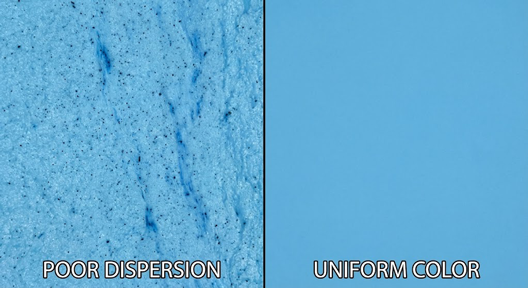
Comparison of poor pigment dispersion leading to specks vs. high-quality uniform silicone coloring.
The result is visible specks on the part surface or “flow lines” (streaks) where the color failed to mix during injection. A high-quality masterbatch utilizes advanced milling technology and compatible silicone carriers to ensure that every pigment particle is separate and encapsulated. This guarantees rapid, uniform integration into your base material with minimal mixing energy required.
Batch-to-Batch Color Consistency
If your Monday production run is a slightly different shade of blue than your Friday run, you have a consistency problem. This is nightmare for supplying OEM clients who demand strict adherence to color tolerances (Delta E < 1).
Inconsistent masterbatch often stems from suppliers using lower-grade pigments with fluctuating color strength, or imprecise manufacturing controls. Premium silicone masterbatches are manufactured under strict QC protocols using standardized pigments, ensuring that “RAL 5002 Blue” is exactly the same, lot after lot, year after year.
Impact on Curing and Processing
It is a common misconception that colorants are chemically inert. Some cheap pigment chemistries can actually interfere with the platinum or peroxide catalyst systems in your base silicone.
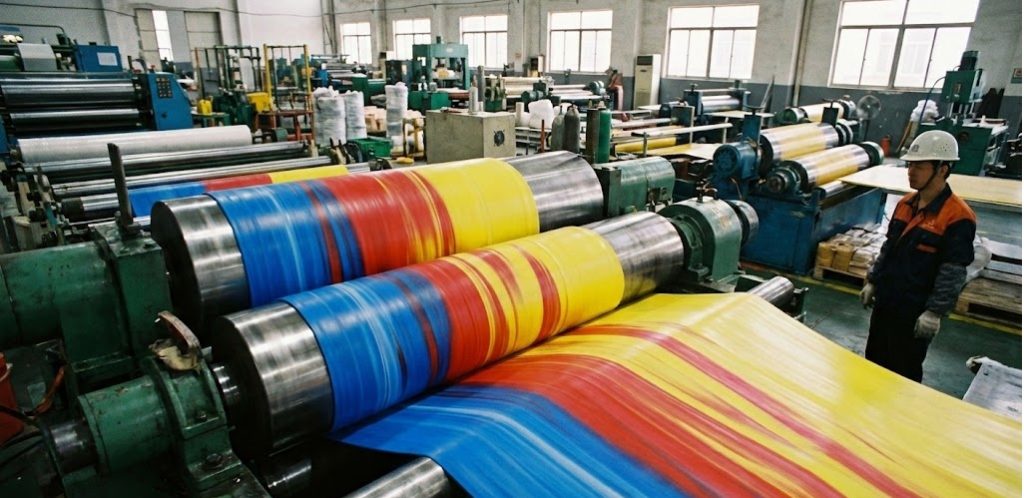
Smooth processing of colored liquid silicone rubber (LSR) in injection molding.
This interference can lead to:
- Slower Cure Times: Reducing your cycle speed and overall output.
- Incomplete Curing: Resulting in sticky parts or poor physical properties.
- Scorching: If the masterbatch carrier isn’t heat-stable at processing temperatures.
Our color masterbatches are formulated specifically to be neutral to cross-linking reactions, ensuring your defined process parameters remain stable regardless of the color being used.
Conclusion: Stable Color Means Stable Production
Don’t let a 2% addition to your formulation cause a 20% scrap rate. Investing in a high-dispersion, consistent silicone color masterbatch is an investment in production efficiency.
Is your current color supplier causing downtime? Contact our technical team for a trial sample of our high-performance masterbatches and see the difference on your own machines.