
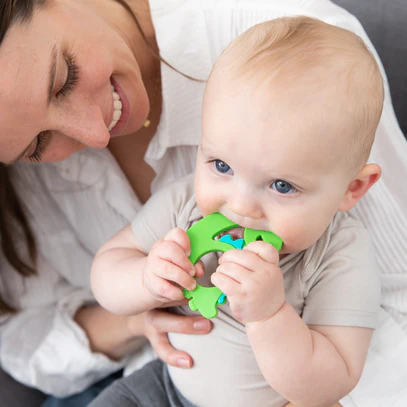
Silicone Plates & Utensils: Are They Safe or Risky for Babies and Toddlers?
Introduction
Silicone tableware—like plates, bowls, and utensils—is becoming increasingly popular among parents. Its soft, flexible nature and break-resistant durability make it appealing for babies and toddlers. But as a parent, a key question remains: Is silicone tableware truly safe for your child? We explore the science, safety certifications, hidden risks, expert advice, and what you should look for when choosing silicone feeding gear.
What Is Silicone Tableware?
Silicone is a synthetic polymer composed of silicon, oxygen, carbon, and hydrogen. Food‑grade silicone refers to materials that meet strict safety standards, such as FDA (USA) or LFGB (EU). It’s typically platinum‑cured, translucent or slightly cloudy, and free of harmful additives.
Internal link: Learn more about silicone materials and certifications in your raw material analysis guide .
Why Parents Prefer Silicone for Babies & Toddlers
- Soft & gentle on gums: Ideal for chewing and self-feeding.
- Unbreakable & flexible: Drops and bumps won’t shatter into sharp pieces.
- BPA‑free/phthalate‑free: No toxic plasticizers.
- Suction features: Many plates stick to high chair trays to reduce mess.
Is Silicone Safe for Food Use?
Both FDA and LFGB certify food-contact materials, but LFGB is considered the more stringent of the two standards High-quality, certified silicone undergoes migration testing to ensure no harmful chemicals leach into food under normal use. It’s also free of lead, PVC, and BPA .
The Hidden Risk—Fillers in Silicone Tableware
Some low-cost or unregulated products contain fillers or colorants that may leach under heat or over time. The DIY “pinch test” (twisting silicone to see if it sticks) can hint at filler use—but isn’t foolproof.
Third-party lab testing is more reliable. Experts also raise concerns about nano-sized particles released from certain silicone products under repeated boiling or sterilizing—especially noted in infant pacifiers—even though these exposures remain minimally documented for typical tableware use.
How to Choose Safe Silicone Tableware for Your Child
- Look for LFGB-certified (EU) or FDA-compliant products.
- Prefer translucent or slightly milky silicone—avoid bright, opaque pieces that may contain unregulated pigments or fillers.
- Choose platinum‑cured silicone over peroxide‑cured for fewer residual chemicals .
- Select trusted brands and avoid ultra-cheap or unbranded imports.
- Internal link: Link to your company’s quality/certification explanation page from tansilicone.com.
Care and Use Tips to Maintain Safety
- Use within recommended temperature range—usually below 428 °F (220 °C) .
- Clean regularly—dishwasher-safe, but top-rack only to avoid heating elements.
- Avoid using damaged or degraded silicone (sticky, cracked, discolored, or strong smelling).
- To tackle odor or staining, soak in baking soda or vinegar solutions.
- Replace items that retain flavor, stain permanently, or show visible wear.
Pros & Cons of Silicone Tableware
### Pros
- Durable, soft, and allergy‑safe
- Heat-resistant and travel‑friendly
- Lightweight and easy to clean
### Cons
- May absorb odors or pigments over time
- Inferior products may include unregulated fillers
- Not biodegradable and limited recycling options
Conclusion: Is Silicone Tableware Safe for Babies and Toddlers?
Yes— when you choose certified, high-quality silicone , tableware can be a safer and more convenient option than plastic or ceramic for young children. Prioritize FDA or LFGB certification, platinum curing, and reputable brands. Proper care and periodic replacement also help maintain safety.
For families choosing silicone tableware for kids, picking certified products from trusted suppliers like yours can offer peace of mind.
Frequently Asked Questions (Voice‑Search Friendly Titles)
Is silicone tableware microwave-safe?
Most certified food‑grade silicone is microwave-safe—check product guidelines and avoid overheating.
Can babies chew on silicone utensils?
Yes—as long as they’re made from food‑grade, platinum‑cured silicone and show no wear or damage.
How do I know if silicone is food-grade?
Look for FDA or LFGB certification , or explicit labeling of “100% food‑grade silicone.”
Are all silicone baby plates BPA‑free?
Certified silicone is typically BPA-free—avoid cheap alternatives that may include fillers or other chemicals.
How often should silicone dishes be replaced?
Replace if you notice cracks, smells, discoloration, or texture changes—usually every 1–2 years depending on use.