Liquid Silicone Rubber (LSR): Engineered Excellence for Extreme Applications
Discover how our platinum-cured LSR outperforms conventional materials in medical, automotive and industrial applications through superior material science.
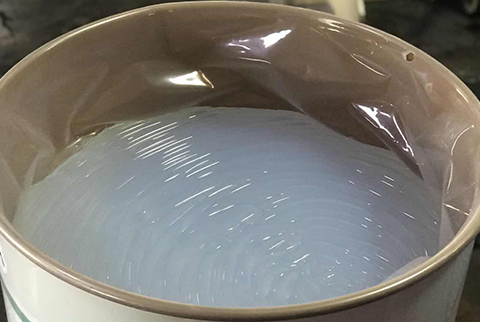
Discover how our platinum-cured LSR outperforms conventional materials in medical, automotive and industrial applications through superior material science.
From Apple Watch to Tesla consoles, extruded silicone enables 92% of premium electronics waterproofing – yet remains invisible to consumers. […]
Behind every great product is a system of components that work together flawlessly. Many of these components are invisible to the end user — but that doesn’t make them any less critical. One such unsung hero is extruded silicone, which plays a vital role in sealing, insulating, and protecting products across countless industries.
Q: What exactly is Liquid Silicone Rubber (LSR)?A: LSR is a soft, flexible, and heat-resistant material made for high-precision products. […]
Silicone rubber. It’s the unsung hero in countless products around us – from the soft seal in your coffee machine and the flexible grip on your kitchen tools, to life-saving medical tubing and durable automotive gaskets. But raw silicone is like uncooked dough: pliable, sticky, and lacking its final useful properties. This transformation from a malleable state into the resilient, elastic, heat-resistant material we rely on is called curing (or vulcanization), and the essential catalyst enabling this magic? The curing agent.
If you’re molding silicone rubber, you know the curing agent isn’t just another additive—it’s the make-or-break player for performance. Get this wrong, and you’re looking at weak seals, hazy tubing, or worse—scrapped batches. We get this question daily from shop floors: “How do we actually use these things without blowing the batch?” Grab a coffee; here’s the real-world playbook.
Let’s face it: in the silicone rubber game, looks and longevity matter. Nothing kills the professional vibe of a part faster than that chalky, dusty film of additives seeping to the surface – yeah, we’re talking about blooming. It’s more than just an eyesore; it can signal performance headaches down the line and frustrate your quality control team. If blooming’s haunting your production line, there’s a solution that actually works: a high-performance anti-blooming agent.
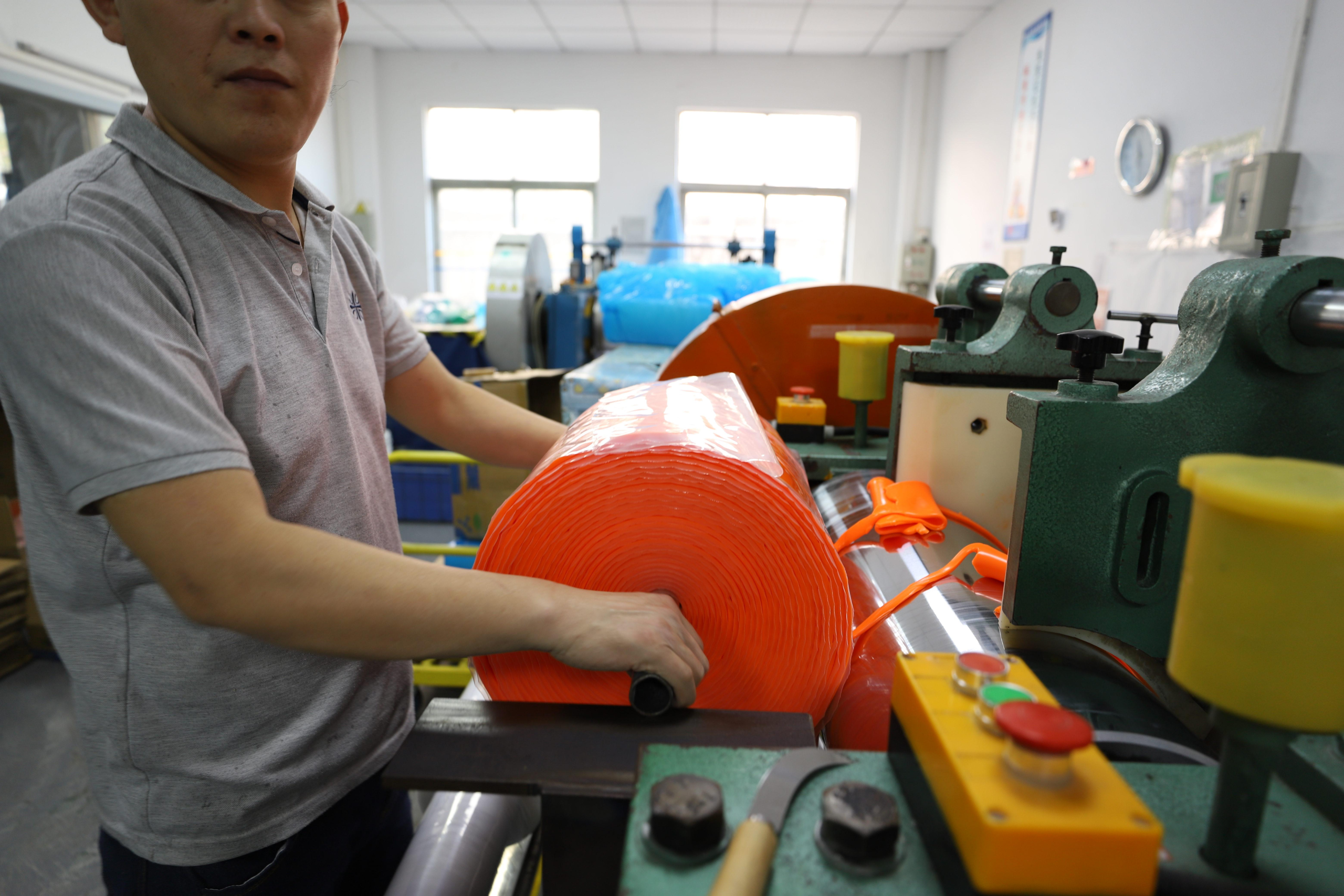
Silicone compression molding is a long-standing and widely used elastomer molding process, especially suitable for the processing of high-consistency silicone (HCR). It is done by placing pre-weighed silicone raw materials in a heated mold cavity, applying high pressure to fill the mold cavity and vulcanizing it. This article will introduce the process flow, core advantages, potential limitations and important applications of silicone compression molding in detail, to help readers deeply understand this key silicone product production technology.

Understand the solid-state hot pressing vulcanization molding process and explore its core role in the production of silicone products, master each step of the molding process, and improve product quality and production efficiency.
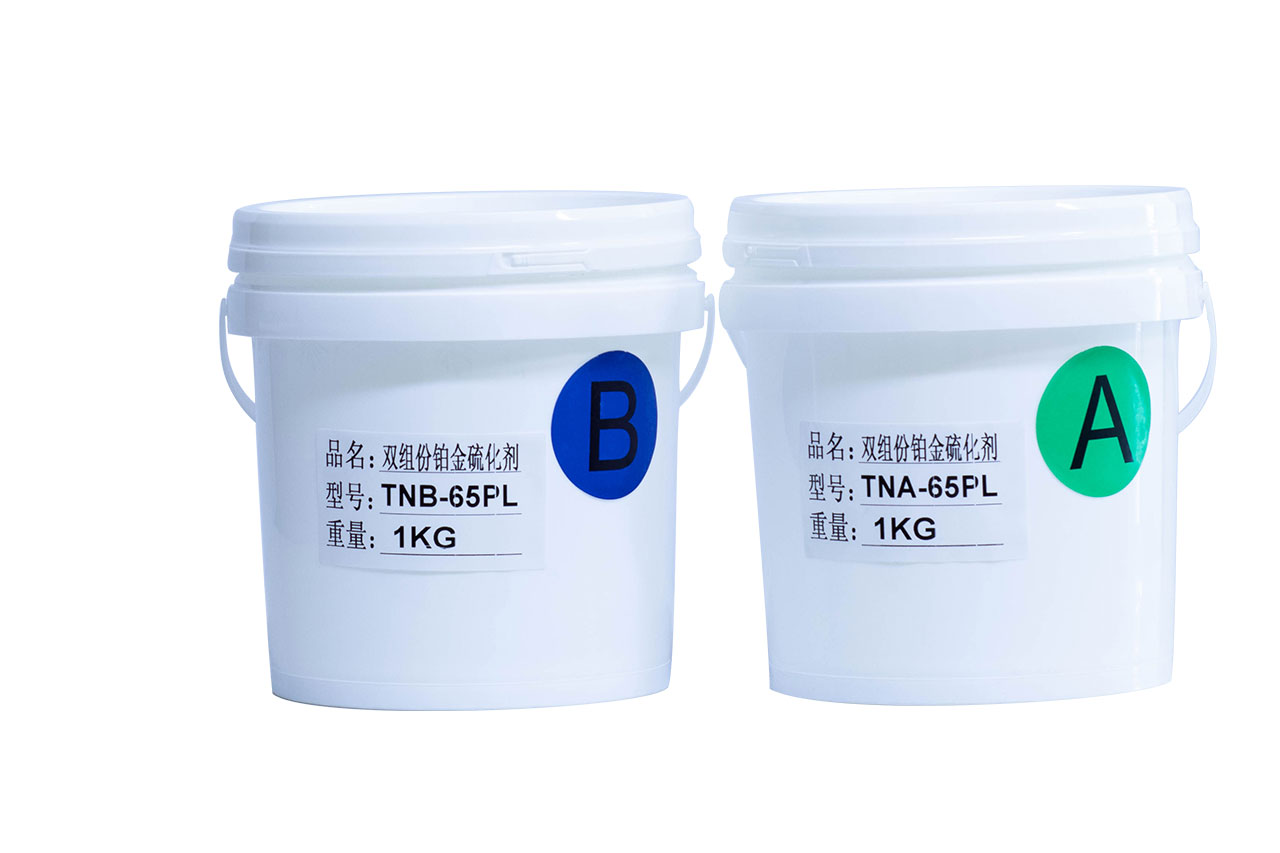
Review highlights: User pain points solved: Applicable scenarios: Silicone tubes, special-shaped strips, medical silicone products, etc. Buy now: 1kg/5KG barrel
 +86 18929151108
 youquan03@gmail.com
 8618929151108
 https://www.facebook.com/profile.php?id=100063474342178
 18929151108
 Phone
+86 18929151108
Email
youquan03@gmail.com
WhatsApp
8618929151108
Facebook
https://www.facebook.com/profile.php?id=100063474342178
WeChat
18929151108
Phone
+86 18929151108
Email
youquan03@gmail.com
WhatsApp
8618929151108
Facebook
https://www.facebook.com/profile.php?id=100063474342178
WeChat
18929151108