Silicone Compression Molding: Process, Advantages and Applications
What is Silicone Compression Molding?
Silicone Compression Molding is a method that uses molds, heat and pressure to solidify silicone raw materials into final products. Unlike injection molding, compression molding usually uses solid or semi-solid high-consistency silicone (HCR) as raw materials. This process relies on pre-placing a certain amount of raw materials into an open or semi-open mold cavity, then closing the mold and applying high temperature and high pressure to make the raw materials flow, fill and undergo vulcanization and cross-linking reactions in the mold cavity, ultimately forming a silicone product with a specific shape and performance.
Silicone molding process
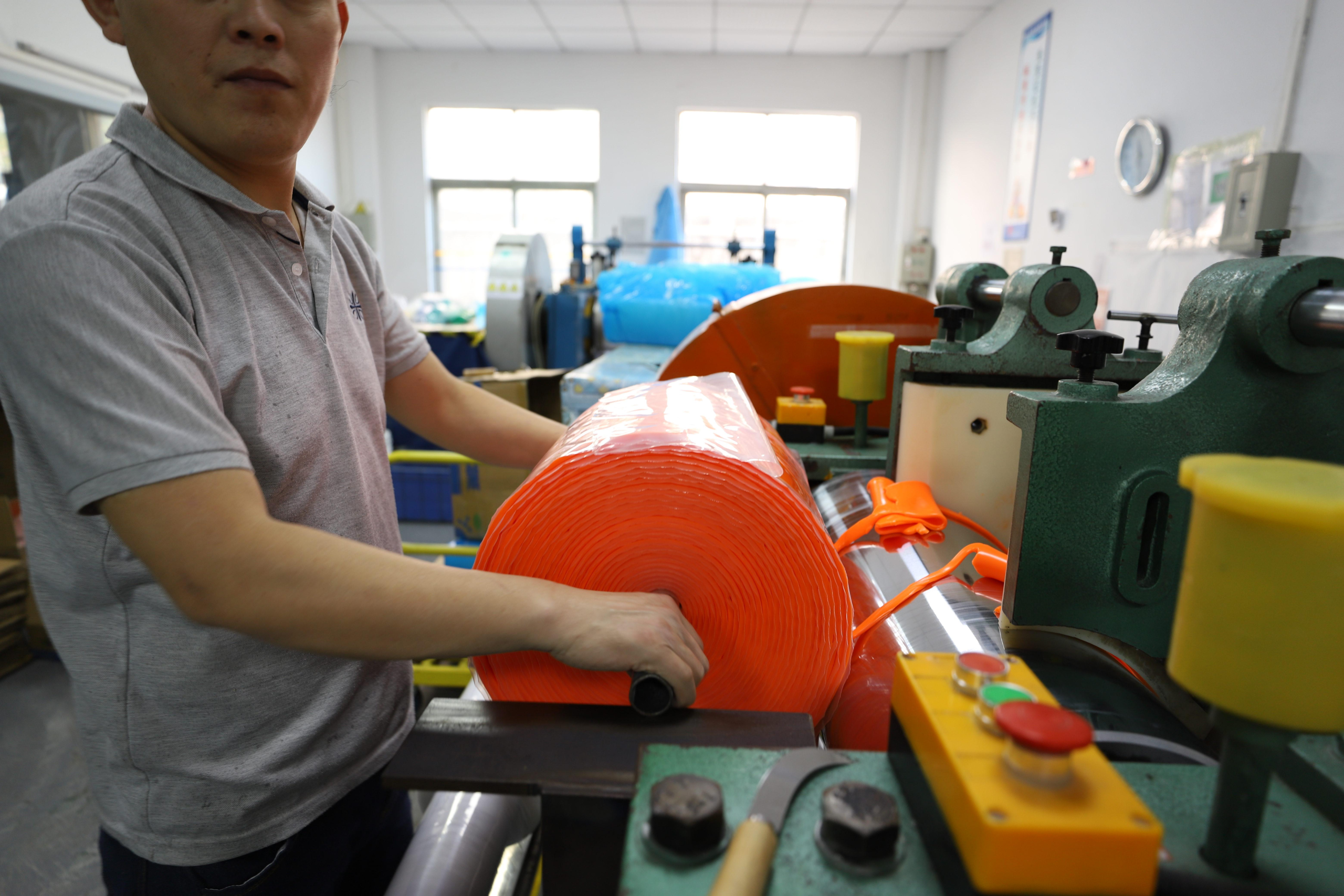
The entire silicone molding process usually includes several key steps. The first is raw material preparation, mixing and coloring high-viscosity silicone according to product requirements, and cutting or pre-pressing it into a shape and weight suitable for the mold cavity. Next is loading, placing the prepared silicone block or preform precisely into the preheated mold cavity. Then there is mold closing and pressurization, quickly closing the mold and applying enough pressure through a hydraulic press to ensure that the silicone fills the mold cavity and adheres to the mold surface.
Heating and vulcanization: forming the final structure
While the mold is closed and pressurized, the mold is heated to the set vulcanization temperature (usually between 150°C and 200°C). High temperature accelerates the cross-linking reaction of silicone, transforming it from a plastic state to an elastic solid structure. The vulcanization time depends on the product thickness, raw material formula and mold temperature, and may vary from a few minutes to more than ten minutes. This stage is the key to giving the silicone product the final physical properties.
Mold opening and demoulding: taking out the finished product
After vulcanization is complete, the mold is opened. Since silicone products are usually sticky, measures need to be taken to assist demolding. This may include the use of a release agent (although silicone itself is not easy to stick to the mold, it may be necessary for complex shapes or high production), a ejector mechanism, or manual assistance to remove the product. Careful operation to avoid damaging the product is the focus of this stage.
Post-processing: trimming and post-curing
The products taken out of the mold usually have “flash” or “burrs”, which are formed by excess silicone overflowing at the mold parting line. Trimming is required to remove these flashes. Common trimming methods include manual tearing, mold punching, freeze trimming or automatic trimming. For some products with high requirements for compression permanent deformation or physical properties (such as medical or food grade), secondary vulcanization (post-curing) may be required, usually in an oven.
Advantages of Silicone Molding
Compared with other molding processes, silicone compression molding has some significant advantages. First, the mold cost is relatively low, especially when the product structure is not too complex or the production demand is not huge. Second, the process has less shear force on the raw materials, which is more suitable for processing silicone formulas that are shear-sensitive or need to retain specific filler properties. In addition, for some large or thick-walled silicone products, compression molding is a more economical and easy-to-control option.
Limitations of Silicone Compression Molding
However, silicone compression molding also has some limitations. The most prominent is its relatively low production efficiency, especially compared with the highly automated liquid silicone injection molding. The molding process usually requires manual loading and unloading of parts, and the vulcanization time is long. In addition, compression molding is prone to flashing, which increases the cost and time of trimming later. For very complex, precise or micro-structured parts, compression molding may not perform as well as injection molding.
Wide range of applications
With its unique advantages, silicone molding technology plays a key role in many industries. It is widely used in the production of various seals (such as gaskets, O-rings), keyboard keys, medical device parts (such as catheter connectors, respiratory mask seals), automotive parts (such as engine gaskets, shock absorbers), electronic product accessories (such as protective covers, connector seals), and various daily necessities and industrial accessories.
Key factors affecting compression molding quality
To obtain high-quality silicone molded products, multiple factors need to be controlled. This includes the quality and batch stability of silicone raw materials, the design accuracy and surface finish of the mold, the uniformity and stability of the mold temperature, the setting and maintenance of the applied pressure, and the precise vulcanization time and post-curing conditions. Negligence in any link may result in product size discrepancies, performance defects or poor appearance.
in conclusion
In summary, silicone compression molding is a mature and reliable elastomer processing technology, especially suitable for the production of high-viscosity silicone and specific types of products. Although it may not be as automated and efficient as injection molding, its lower mold cost, adaptability to raw materials, and ability to produce large thick-walled parts make it still the preferred option in many applications. With the continuous advancement of technology, the silicone compression molding process will continue to be optimized to provide more high-quality silicone solutions for all walks of life.