How Much Does Medical-Grade Liquid Silicone Cost in 2025? A Practical Guide with a Coating Focus
Introduction
Liquid silicone rubber (LSR) isn’t just another industrial material — it’s the backbone of some of the most critical innovations in healthcare. From soft-tissue-friendly patches to next-gen wearable tech, LSR has earned its place thanks to its unmatched biocompatibility, flexibility, and safety.
If you work with medical coatings — or are looking into medical-grade silicone for any coating-related application — this article lays out what you need to know in 2025, especially when it comes to costs, use cases, and smart purchasing strategies.
What’s the Price Tag on Liquid Silicone in 2025?
Across different markets, liquid silicone prices vary significantly — mostly due to material grade, region, and certifications.
- In North America, typical LSR costs hover around $5.60 per kg
- In Europe, you’ll likely see prices between $7.20 and $7.77 per kg
- Asian suppliers, especially in China, offer bulk rates starting at $2.50 per kg
However, medical-grade silicone is a whole different story. Because of the strict compliance requirements and the added precision in its formulation, expect to pay between $5 and $25 per kg. The higher end usually applies to smaller orders or specialty blends.
Why Medical-Grade LSR Costs More — Especially for Coatings
The moment LSR is intended for direct skin contact, implantation, or bio-sensitive coating, it moves into the medical-grade tier — and that comes with several built-in cost factors:
- FDA & ISO certifications (like Class VI, ISO 10993)
- Platinum-based curing systems instead of tin (for safety and performance)
- Extremely low impurities and additives tailored to healthcare use
- Tight batch control and traceability requirements
And if you’re using LSR for coating medical devices, that’s another layer of complexity: coating methods, surface behavior, cure timing — all need to line up perfectly.
Medical Coating with LSR: Technical Insights that Matter
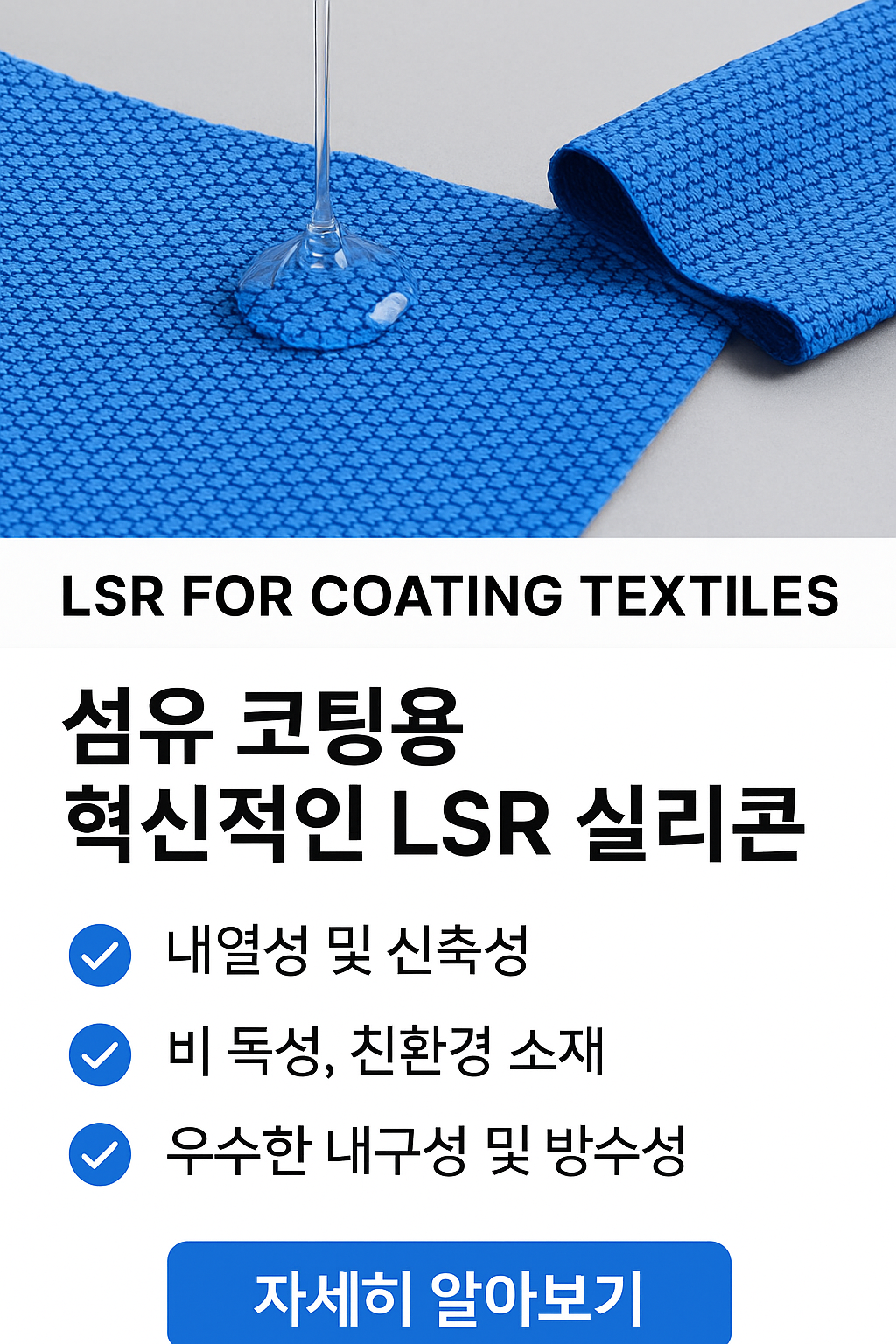
LSR is an ideal choice for coating applications in medical devices. Its ability to form ultra-thin, uniform, hypoallergenic films sets it apart. But it’s not just about the material — how it’s applied matters just as much.
Popular Coating Methods
- Knife-over-roll: Delivers precision coating for adhesive bandages and breathable skin patches
- Dip coating: Ideal for tubing, catheters, and irregular shapes
- Spray coating: Flexible for wide coverage, though less exact on thickness
- Slot-die coating: A go-to for film-based devices, where every micron counts
Key Properties for Coating Success
- Viscosity: Most coating LSRs sit in the 2,000–20,000 cP range. Thicker products can struggle with leveling; thinner ones may need additives to reduce dripping or bubbles.
- Curing system: Medical-grade LSR is almost always platinum-cured. It’s fast, predictable, and doesn’t leach residues. Some advanced systems now use UV curing for high-volume production.
- Surface behavior: Adhesion and leveling agents often need to be added, especially when bonding to non-silicone substrates like PET or polyurethane.
What Real-World Prices Look Like
Let’s look at some recent numbers (as of mid-2025) from reputable manufacturers:
| Source Location | MOQ | Grade | Approx. Cost (USD/kg) |
|---|---|---|---|
| China | ≥100 kg | Medical Coating LSR | $2.99 – $3.59 |
| China | 20–50 kg | Injection Grade LSR | $5.98 – $9.99 |
| Europe/US | Varies | Certified LSR | $7.50 – $20+ |
Remember: smaller orders, extra testing, and special features (e.g. antimicrobial additives) will push that price higher.
How to Keep Costs Under Control
You can save significantly, even with premium materials, by being strategic:
- Order in larger quantities to qualify for better bulk rates
- Clearly define your coating specs so you’re not paying for unnecessary enhancements
- Work with the right supplier — one that already meets your regulatory requirements
- Calculate total landed cost, including shipping, import fees, and lead times
If you’re buying in small batches or prototyping, try to partner with suppliers offering sample kits or flexible MOQ options.
2025–2027 Outlook: Where Are Prices Heading?
Here’s what industry trends suggest:
- The medical-grade LSR market is expanding, especially for wearables and bio-integrated devices
- More manufacturers are investing in custom silicone compounds, including coatings tailored for antimicrobial resistance, conductivity, and UV responsiveness
- Global suppliers are diversifying production hubs to reduce dependency on a single region
- Pricing may rise slightly due to raw material and transportation costs, but competition is increasing, which could stabilize pricing long term
Final Takeaways
Medical-grade LSR isn’t cheap — and when it’s engineered for coating applications, you’ll likely be working with the upper end of the price spectrum. But it’s not without reason.
The performance, safety, and regulatory peace of mind it provides make it a sound investment for any product where patient contact or coating precision is involved.
And in a time where innovation meets skin and sensors, it’s exactly the kind of material worth investing in.