
PRODUCT CATALOG
HTV Silicone Rubber
Find the right material for your process. Search by grade, review available specification fields and request documentation for a specific product.
Get material selection help ↗AVAILABLE PRODUCT GRADES
HTV Silicone Rubber
1 product grade
MATERIAL SELECTION
HTV Silicone Rubber: Selection Guidance
Choosing an HTV silicone rubber grade
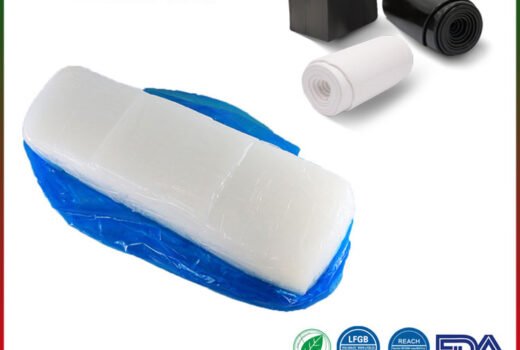
High-temperature-vulcanizing (HTV) silicone rubber is supplied as a solid compound for processing routes such as compression molding and extrusion. Selecting a grade starts with the manufacturing method, part geometry and required finished-part performance, rather than hardness alone.
When comparing grades, review Shore A hardness, tensile strength, elongation at break, tear strength and curing conditions together. The numerical values only have meaning when the applicable test method and specimen preparation are understood. Processing aids, pigments and curing agents must be assessed for compatibility with the chosen compound.
Questions to prepare before requesting a quotation
- What part will be produced, and by which molding or extrusion method?
- What hardness range, color and critical test properties are required?
- Which approvals or material-specific documents are necessary for the application?
- What trial quantity and production volume are being evaluated?
Read the technical guides for processing comparisons, review available product grades, or request grade-specific information.
QUESTIONS AND ANSWERS
HTV Silicone Rubber FAQ
What is the difference between HTV and LSR silicone rubber?
HTV is typically supplied as a solid rubber compound, while LSR is a liquid two-component system. Their processing equipment and cure conditions differ; compare technical documentation for the exact grade.
How should I compare HTV hardness grades?
Specify the Shore scale and test method, then assess the part requirements alongside tensile, tear, elongation and curing information.
Can I use one HTV grade for every application?
No. Application suitability depends on the finished part, processing conditions and any applicable regulatory or technical requirements.
TECHNICAL RESOURCES
Related Technical Guides
How to Choose HTV Silicone Rubber for Your Manufacturing Process
A practical buyer’s gu…
Read guide ↗HTV vs LSR Silicone Rubber: How to Choose a Processing Route
Compare high-consisten…
Read guide ↗How to Read a Silicone Rubber Technical Data Sheet (TDS)
Learn how to review te…
Read guide ↗BEFORE YOU REQUEST A QUOTE
Make Your Specification Easier to Review
Include the grade (if known), target hardness or viscosity, production method, intended use, estimated volume and any documentation requirements.