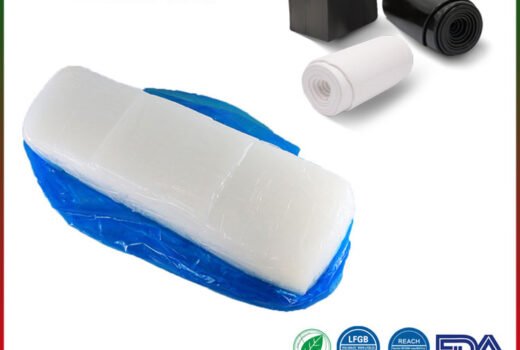

High-consistency silicone rubber and liquid silicone rubber can both be used to manufacture elastomer components, but the material form and processing route differ. A selection should reflect the intended part, equipment, production volume and technical specification.
Material form and handling
High-consistency silicone rubber is typically supplied as a solid compound for mixing, preparation and subsequent forming. Liquid silicone rubber is supplied in liquid component systems, commonly with defined metering and mixing requirements. Both product families contain multiple grades; the material form alone does not define final performance.
Processing comparison
- HTV or HCR: commonly associated with extrusion and compression molding, as well as other processes matched to the compound.
- LSR: commonly used for liquid injection molding with appropriate dosing, mixing and curing equipment.
- Both families: curing conditions, tooling, part geometry and grade properties must be established together.
A line designed for one silicone processing route is not automatically suitable for another. Include production equipment information early in supplier discussions.
Which technical data should be compared?
For an HTV grade, consult hardness, mechanical properties, curing system and handling guidance. For an LSR grade, review component mixing ratio, viscosity, working conditions and cure behavior alongside the final properties. Compare reported values only where the test methods and conditions are compatible.
Choosing for your application
Start with manufacturing constraints: cycle expectations, component detail, finishing requirements and available tooling. Then define the operating conditions and qualification criteria for the completed part. The preferred processing route follows the combined result of design, equipment and grade-specific testing.
Questions for a materials inquiry
- Is the project based on an existing HTV or LSR process?
- What is the desired part size, geometry and tolerance?
- Which performance data and compliance documents are required?
- What quantity is needed for trials and subsequent orders?