
Technical information
Request the grade-specific data sheet, relevant revision and conditions for the properties you intend to compare.
Review the material, equipment and documentation needed for your manufacturing project.
ILLUSTRATIVE FIGURES — DEMONSTRATION CONTENT, NOT VERIFIED COMPANY DATA
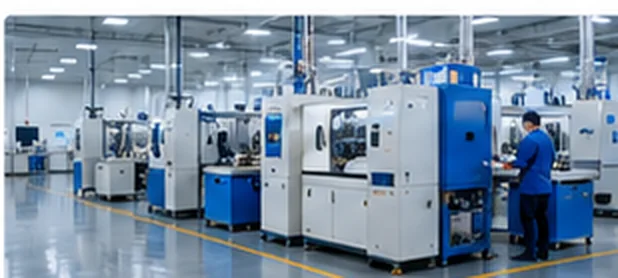
From a material name to a usable brief
The same material family can lead to different production questions. Begin with the route, equipment and target component, then identify the information needed for an evaluation.
Start with the finished part, intended use and processing route. A drawing, existing grade reference or target property list can make the brief easier to review.
Review candidate material families, curing approach and equipment constraints. Confirm what is known and what still needs a trial.
Request the current document for the exact grade. Record its revision, test conditions and any application-specific evidence you need.
Agree the trial conditions and acceptance criteria before a purchasing decision. Keep material evaluation separate from finished-product qualification.
Questions worth recording
Use these questions when reviewing a grade or preparing an evaluation. This is a purchasing checklist, not a claim that a particular factory test or certification has been completed.
How will the exact grade and supplied material be identified? Keep the material reference connected to the quotation, document and evaluation record.
Which technical document and revision are current? Confirm that the values under discussion belong to the grade being evaluated.
What method, specimen preparation and conditions apply to a stated value? Clarify differences before comparing results from separate documents.
What will your finished component need to demonstrate? Agree the evaluation criteria and distinguish material checks from finished-product qualification.

Before a purchasing decision
Request the grade-specific data sheet, relevant revision and conditions for the properties you intend to compare.
Discuss the processing route, equipment constraints and what guidance is available for planning a trial.
Identify the evidence required for the intended use and market. Do not infer approval from a generic material description.
Examples you can adapt
These are demonstration briefs, not completed customer projects. Replace the sample values before sending an inquiry.
 EXAMPLE PROJECT BRIEF
We are evaluating a solid silicone rubber for an extruded seal. Example targets: 60 Shore A, black color and an initial 500 kg requirement. Please advise which grade documentation and processing information we should review. We will confirm the service environment, dimensional requirements and trial conditions before selection.
Illustrative requirements only. This is not a completed customer project, a product specification or a supply commitment.
Use This Brief as a Starting Point → EXAMPLE PROJECT BRIEF
We are reviewing LSR options for an injection-molded consumer component. Example targets: translucent appearance and 40 Shore A. Please identify the grade-specific TDS, curing guidance and equipment information needed for an evaluation. Any contact or compliance requirements will be specified separately.
Illustrative requirements only. This is not a completed customer project, a product specification or a supply commitment.
Use This Brief as a Starting Point →YOUR NEXT STEP
Share the component, production route and the information you need to move forward.