
Reliable curing performance is the foundation of high-quality silicone products.
Our peroxide-based vulcanizing agents are engineered to provide fast, stable crosslinking for HTV silicone rubber, enabling manufacturers to produce silicone components with excellent mechanical properties, heat resistance, and long-term durability.
Designed for industrial silicone processors and compounders, our curing systems support consistent production in compression molding, extrusion, and transfer molding applications.
Why Silicone Manufacturers Choose Our Vulcanizing Agents


Consistent Crosslinking Performance
Advanced peroxide formulations ensure uniform vulcanization and predictable processing behavior, even in high-volume production environments.
Faster Production Cycles
Optimized curing systems reduce molding time and improve overall manufacturing throughput.
Superior Mechanical Properties
Achieve silicone parts with excellent:
Tensile strength
Tear resistance
Elastic recovery
Heat stability
Broad Compatibility with HTV Silicone
Compatible with most HTV silicone rubber compounds, including:
General purpose silicone
High-transparency silicone
Heat-resistant silicone grades
Cost-Efficient Industrial Production
Compared with platinum curing systems, peroxide vulcanizing agents provide lower production costs while maintaining reliable performance.
Applications of Silicone Vulcanizing Agents
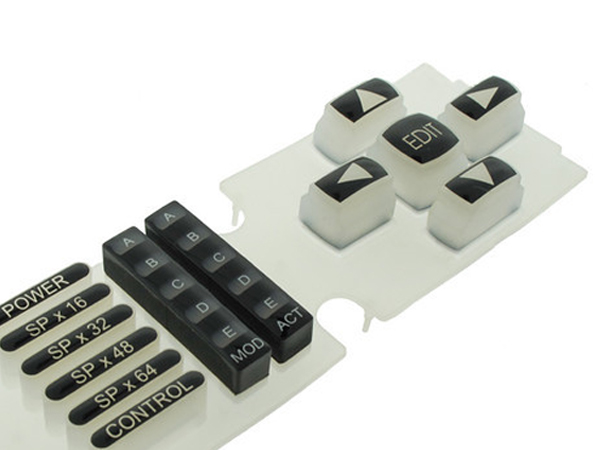

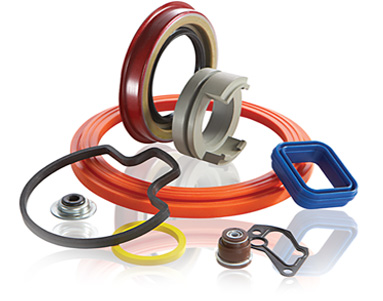
Our curing systems support a wide range of silicone product manufacturing sectors.
Electronics & Consumer Devices
Silicone keypads
Protective components
Sealing elements
Wearable Products
Silicone bracelets
Watch straps
Sports accessories
Industrial Equipment
Silicone seals and gaskets
Extruded silicone tubing
Automotive rubber components
Medical & Food-Contact Products
Transparent silicone parts
Kitchenware and baby products
Medical tubing components
Technical Specifications
Reliable curing performance depends on controlled processing conditions.
| Parameter | Typical Value |
|---|---|
| Appearance | Transparent / milky paste |
| Active Ingredient | Organic peroxide |
| Recommended Dosage | 0.8 – 2.5% |
| Curing Temperature | 130°C – 180°C |
| Post-Curing | 200°C recommended |
| Shelf Life | 6 – 12 months |
| Storage Temperature | <25°C |
Example Processing Parameters
| Model | Curing Temperature | Dosage |
|---|---|---|
| C-15 | 175°C | 0.8 – 1.0% |
| C-16 | 180°C | 1.5 – 2.5% |
| C-16E | 130°C | 1.0 – 1.2% |
These curing agents are suitable for:
Compression molding
Transfer molding
Silicone extrusion production
Vulcanization Process for HTV Silicone


Step 1 – Compounding
Silicone rubber is mixed with fillers, pigments, and the vulcanizing agent.
Step 2 – Forming
The compound is shaped through molding or extrusion processes.
Step 3 – High-Temperature Vulcanization
Heat activates the peroxide curing agent, initiating crosslinking within the polymer network.
Step 4 – Post-Curing
Optional post-curing improves:
Heat resistance
Mechanical strength
Product purity
Peroxide vs Platinum Curing Systems
This comparison helps manufacturers choose the correct silicone curing system.
| Feature | Peroxide Curing | Platinum Curing |
|---|---|---|
| Cost | Lower | Higher |
| Transparency | Good | Excellent |
| Processing Speed | Fast | Moderate |
| By-products | Small amount | None |
| Typical Use | Industrial silicone products | Medical & food grade |
Peroxide vulcanizing agents remain the most widely used curing system for general-purpose silicone manufacturing.
Manufacturing Quality Control
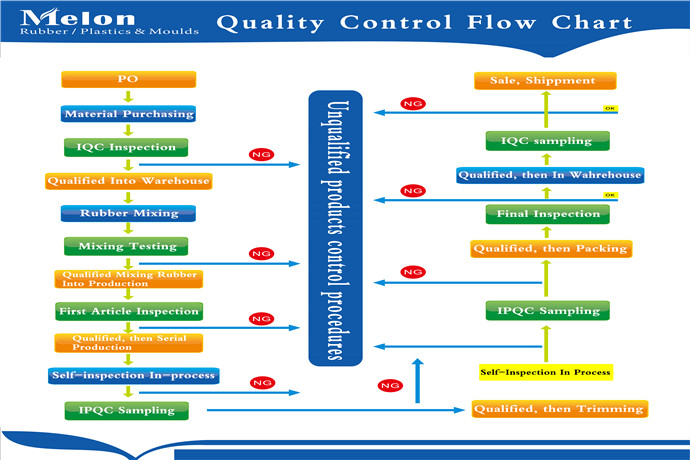
Reliable curing agents require strict production control.
Our quality management system ensures:
√Stable peroxide concentration
√Consistent batch performance
√Controlled moisture and impurity levels
√ Reliable curing efficiency across HTV silicone formulations
Each batch undergoes quality testing before shipment to guarantee performance stability.
Packaging & Storage
| Item | Details |
|---|---|
| Packaging | 10kg / 20kg containers |
| Storage | Cool and dry environment |
| Temperature | Below 25°C |
| Shelf Life | 6–12 months |
Proper storage helps maintain peroxide stability and curing performance.
Technical Support for Silicone Manufacturers
Beyond supplying materials, we help customers optimize silicone production processes.
Our support includes:
Silicone formulation recommendations
Vulcanizing agent selection guidance
Processing parameter optimization
Technical troubleshooting for curing issues
This ensures customers achieve stable manufacturing performance and consistent product quality.
Request a Quote or Free Sample
Looking for a reliable silicone vulcanizing agent supplier?
Our team can help you select the best curing system based on:
Silicone rubber grade
Manufacturing process
Mechanical property requirements
Contact us today for:
√ Technical consultation
√ Free product samples
√Competitive bulk pricing
Frequently Asked Questions
What is a vulcanizing agent in silicone rubber?
A vulcanizing agent is a chemical additive that initiates crosslinking in silicone polymers, converting raw silicone material into elastic rubber.
What is the recommended dosage?
Most peroxide curing systems require 0.8–2.5% addition, depending on the silicone formulation and processing conditions.
What curing temperature is required?
Typical vulcanization occurs between 130°C and 180°C, depending on the specific peroxide type.
Can it be used for extrusion silicone?
Yes. Vulcanizing agents are widely used for extruded silicone tubing, profiles, and industrial seals.
Common Silicone Curing Problems & Solutions
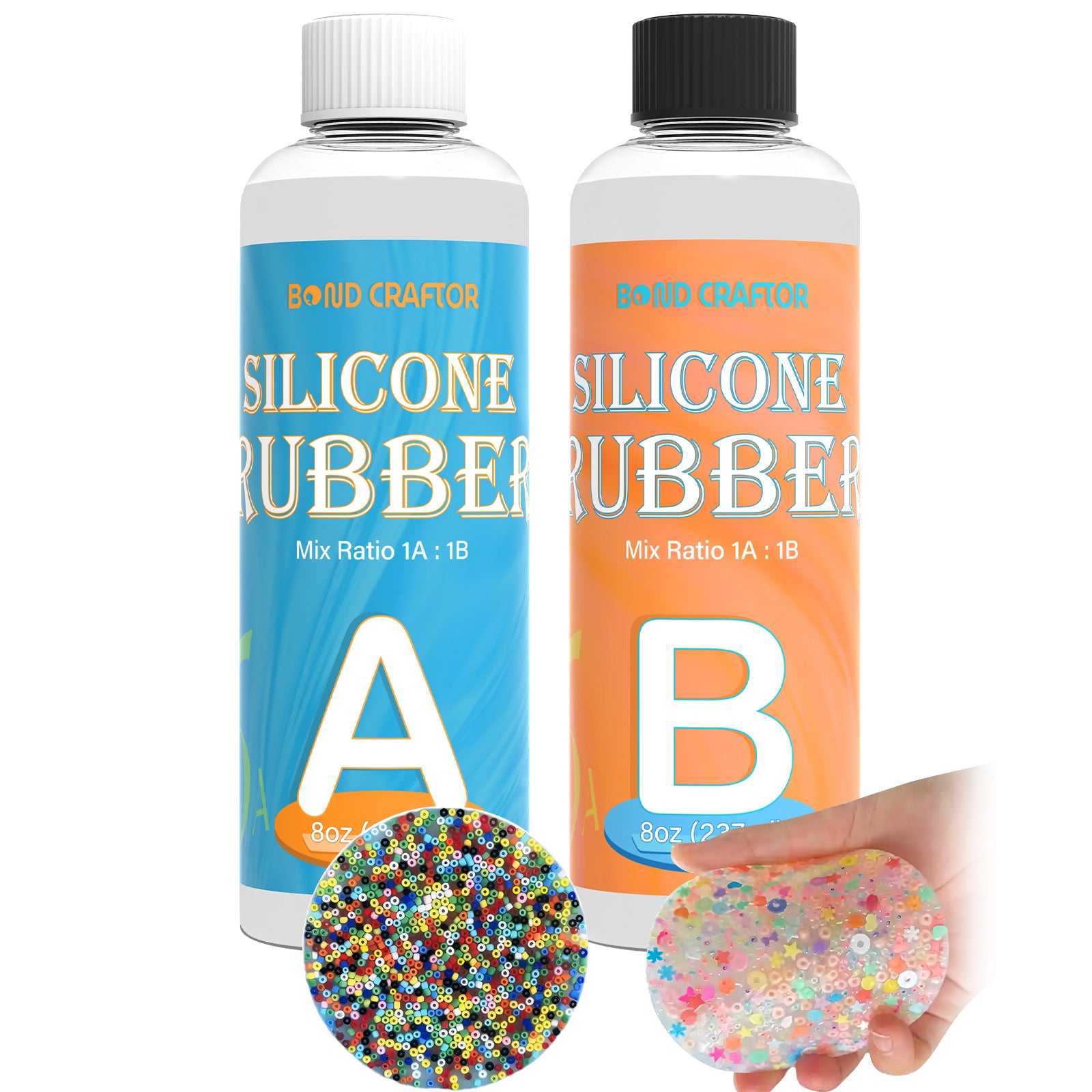

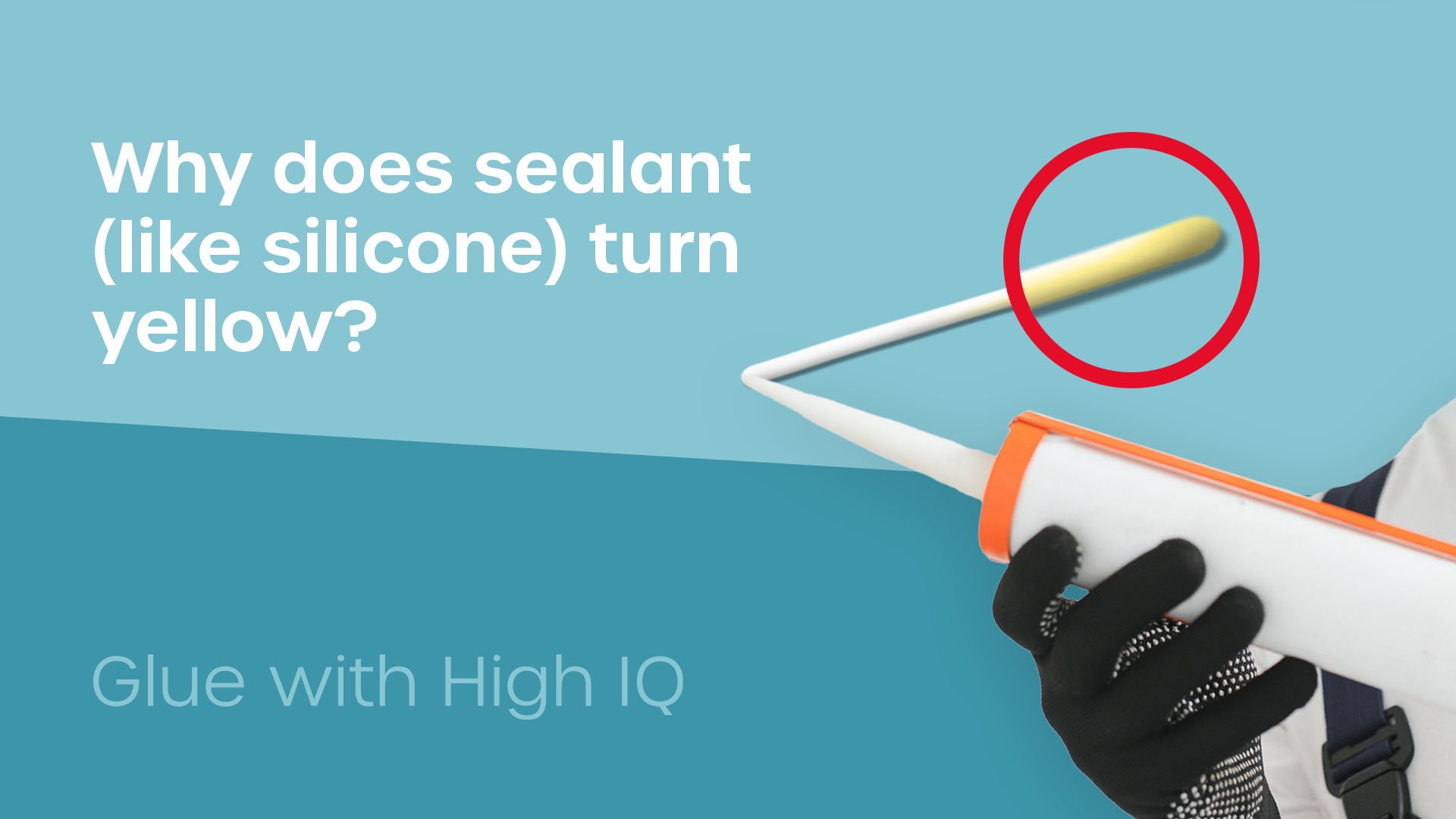
During silicone manufacturing, improper curing conditions or incorrect vulcanizing agent dosage can lead to product defects. Understanding these issues helps manufacturers maintain consistent product quality and production efficiency.
| Problem | Possible Cause | Recommended Solution |
|---|---|---|
| Sticky or under-cured silicone | Insufficient vulcanizing agent dosage | Increase peroxide dosage within recommended range |
| Surface bubbles or voids | Moisture contamination or trapped air | Improve mixing process and reduce moisture |
| Yellowing after curing | Excessive curing temperature or incompatible additives | Optimize temperature and compound formulation |
| Poor mechanical strength | Incomplete crosslinking | Increase curing time or adjust curing temperature |
| High compression set | Improper vulcanization conditions | Improve crosslink density through optimized curing |
Production Tip
Maintaining precise curing temperature control and correct peroxide dosage is essential for achieving optimal silicone performance. Many manufacturers conduct small-scale trial runs before full production to determine the best formulation parameters.
How to Choose the Right Silicone Vulcanizing Agent

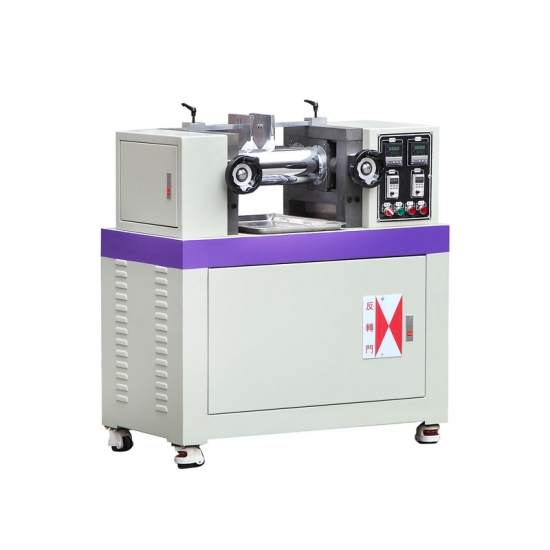
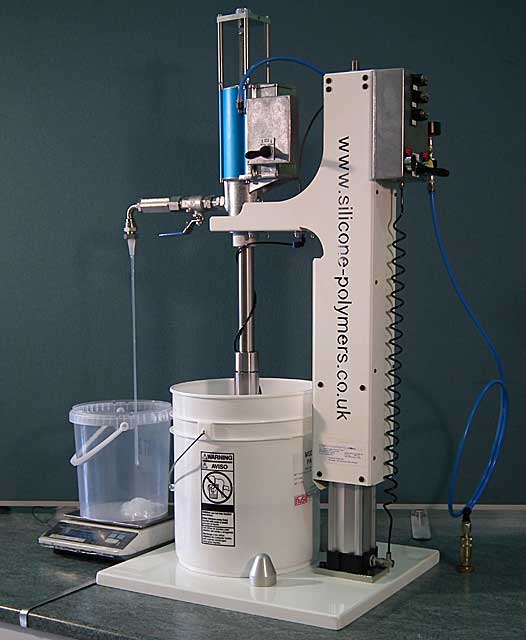
Selecting the right vulcanizing agent is critical for achieving the desired processing efficiency and product performance.
1. Processing Method
Different manufacturing processes require different curing characteristics.
| Processing Method | Recommended Curing System |
|---|---|
| Compression molding | Standard peroxide curing agents |
| Silicone extrusion | Fast-activation peroxide systems |
| Transfer molding | Controlled decomposition curing agents |
2. Product Performance Requirements
Consider the final application of the silicone product.
| Requirement | Recommended Approach |
|---|---|
| High transparency | Use low-residue peroxide curing agents |
| Heat resistance | Select high-temperature curing systems |
| High mechanical strength | Increase crosslink density with optimized peroxide dosage |
3. Production Efficiency
For high-volume manufacturing, manufacturers often prioritize curing systems that provide:
Stable processing window
Fast vulcanization speed
Consistent crosslinking performance
Choosing the correct vulcanizing agent helps manufacturers improve yield rates, reduce defects, and optimize production costs.
Technical Resource Center for Silicone Manufacturers
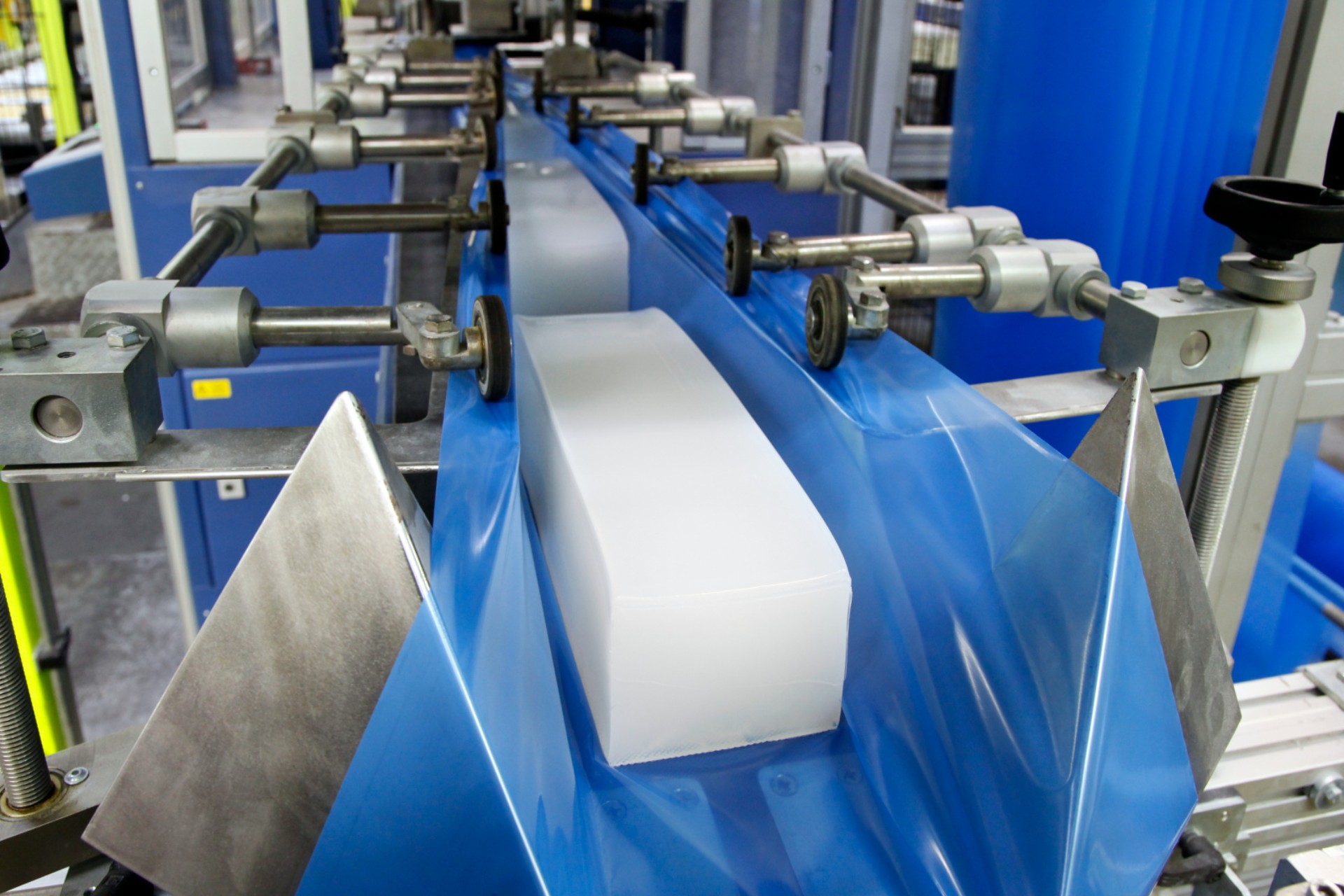
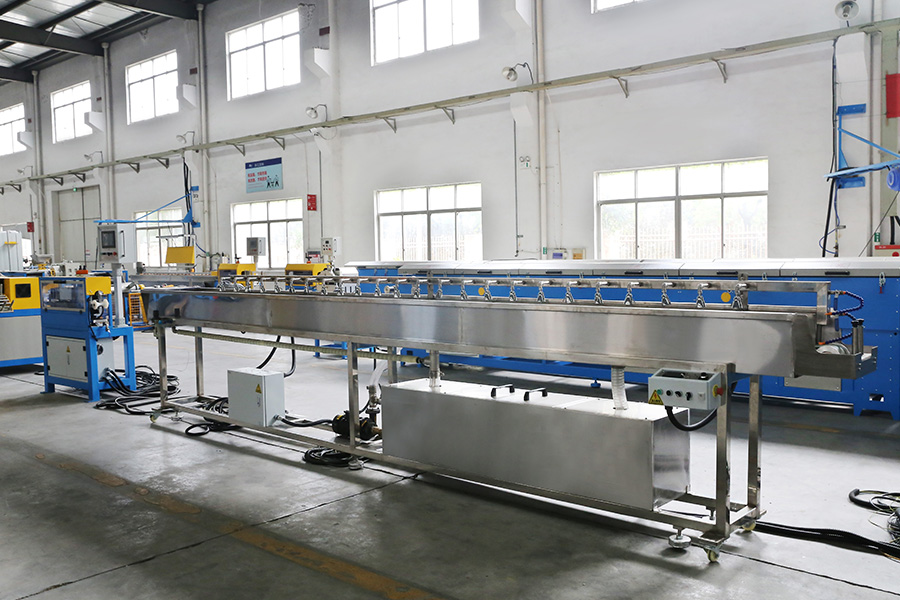
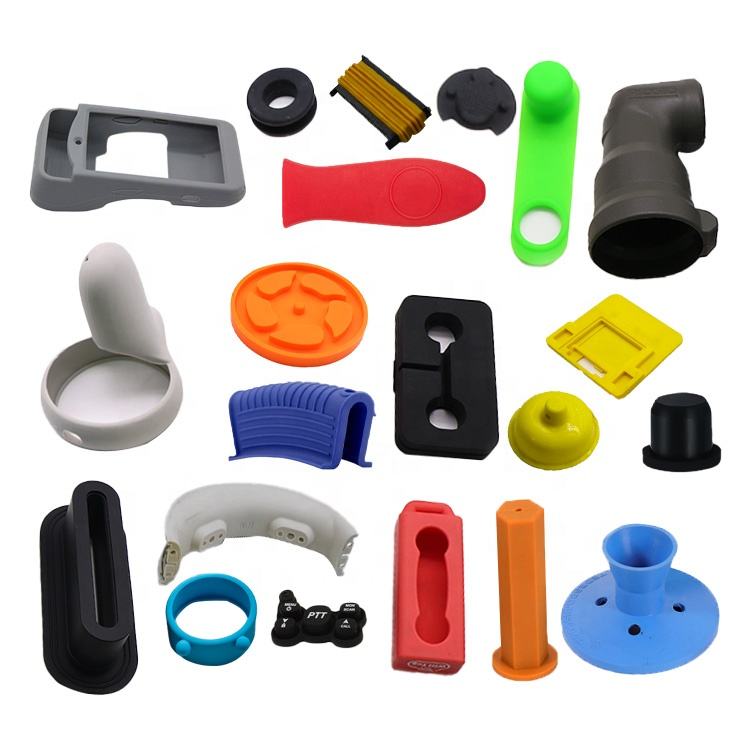
To support silicone manufacturers, we provide a comprehensive knowledge base covering silicone processing and materials engineering.
Key Technical Topics
Silicone Vulcanization Fundamentals
Learn how peroxide curing agents initiate crosslinking reactions that convert silicone polymer into elastic rubber structures.
HTV Silicone Processing Guidelines
Best practices for compounding, molding, extrusion, and post-curing to achieve consistent product performance.
Material Selection Guidance
Recommendations for selecting:
Silicone rubber grades
Vulcanizing agents
Color masterbatches
Processing additives
Troubleshooting & Process Optimization
Technical insights to help manufacturers resolve common production issues and improve product quality.
Additional Technical Resources
Manufacturers looking to deepen their knowledge of silicone materials may explore:
Silicone rubber formulation guides
Processing parameter optimization
Industrial case studies
Product performance testing methods
These resources help silicone processors improve manufacturing stability and achieve higher-quality finished products.
“Silicone Vulcanizing Agent Buyer’s Guide (Industrial Procurement Guide)”
Silicone Vulcanizing Agent Buyer’s Guide
How Industrial Buyers Select the Right Curing Agent for Silicone Manufacturing
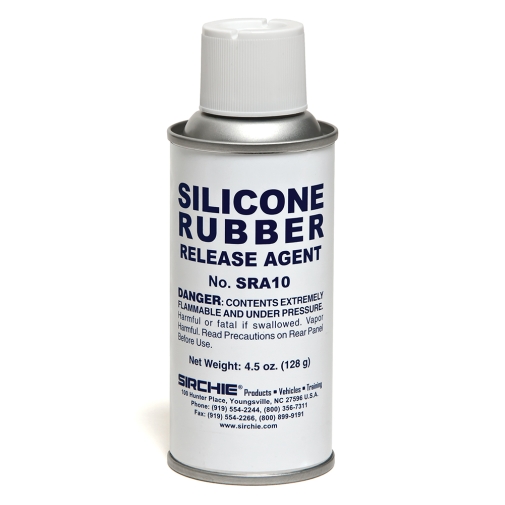

Selecting the right silicone vulcanizing agent is a critical decision for manufacturers. The curing system directly affects production efficiency, product quality, and long-term material performance.
Industrial buyers typically evaluate multiple factors before choosing a supplier or curing formulation.
1. Compatibility With Silicone Rubber Formulation
Not all vulcanizing agents perform equally across different silicone rubber systems. Buyers should ensure the curing agent is compatible with the target material, such as:
General-purpose HTV silicone rubber
High-transparency silicone
Heat-resistant silicone compounds
High-strength silicone formulations
A compatible curing system ensures uniform crosslinking and consistent product performance.
2. Processing Method Requirements
Different silicone manufacturing processes require different curing characteristics.
| Processing Method | Key Requirement |
|---|---|
| Compression molding | Controlled curing speed |
| Transfer molding | Stable crosslinking reaction |
| Silicone extrusion | Fast activation and consistent curing |
Manufacturers should choose vulcanizing agents that match the thermal profile and cycle time of their production equipment.
3. Mechanical Performance Targets
The curing system directly influences the mechanical properties of the final silicone product.
Typical evaluation criteria include:
Tensile strength
Tear resistance
Elastic recovery
Compression set resistance
Heat aging stability
A well-optimized vulcanizing system improves durability and long-term reliability of silicone components.
4. Production Efficiency and Cycle Time
In high-volume silicone manufacturing, curing speed plays an important role in productivity.
A high-quality vulcanizing agent should provide:
Fast vulcanization reaction
Stable processing window
Minimal curing defects
These factors help manufacturers reduce production downtime and improve yield rates.
5. Quality Consistency and Supplier Reliability
For industrial buyers, supplier reliability is just as important as product performance.
A professional silicone materials supplier should provide:
Stable batch quality
Technical documentation (TDS / COA)
Consistent supply capacity
Technical support for formulation optimization
Working with a reliable supplier ensures long-term manufacturing stability and product consistency.
Checklist for Purchasing Silicone Vulcanizing Agents
Before placing an order, procurement teams typically verify the following:
√ Compatibility with HTV silicone rubber formulation
√ Recommended curing temperature and dosage
√ Mechanical property performance
√ Product storage stability and shelf life
√Availability of technical support and documentation
Using this checklist helps manufacturers select the most suitable curing system for their production process.
Why Silicone Manufacturers Work With Us
Our company supports silicone processors worldwide with high-performance curing systems and technical expertise.
Key advantages include:
Reliable peroxide vulcanizing agent formulations
Consistent industrial production quality
Technical guidance for silicone processing
Competitive supply for large-scale manufacturing
We work closely with customers to help them optimize silicone formulations and improve manufacturing efficiency.
Request Technical Consultation or Samples
If you are evaluating vulcanizing agents for your silicone production line, our technical team can assist with:
Curing agent selection
Processing parameter optimization
Sample testing support
Contact us today to request a quote or free sample for your silicone manufacturing application.